East Jefferson Fire Rescue is proud to join with emergency service agencies around the county, state, and nation in recognizing Community Risk Reduction Week from January 18-24, 2026.
Community Risk Reduction (CRR) is a process to identify and prioritize local risks, followed by the integrated and strategic investment of emergency response and prevention resources to reduce their occurrence and impact, and to build healthy, safe, and resilient communities. CRR Week is meant to raise awareness among the community and within the fire service about the role of CRR in making our communities and emergency service personnel safer.
In 2025, East Jefferson Fire Rescue responded to more than 5,800 calls for service, including over 100 fire-related calls, and more than 400 emergency medical calls. Most fire-related and many medical calls for service are preventable with an integrated CRR program.
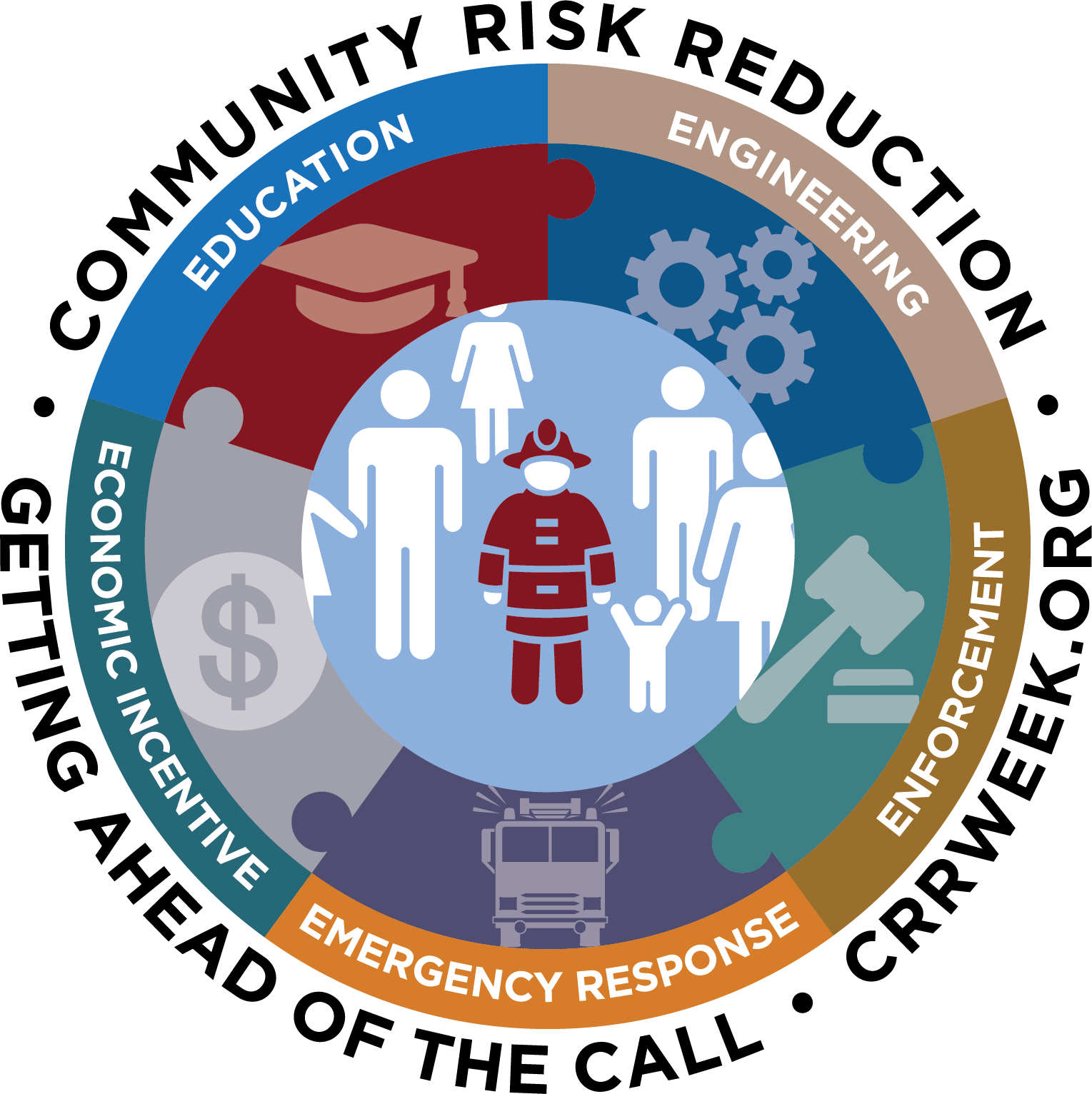
EJFR is very pleased to have tremendous community support from local, county, and state partners in developing programs to address the risks faced in the district. These programs utilize any combination of the following fire prevention strategies:
- Education: Increasing awareness and understanding in the community by providing information to foster improved safety, including safe cooking practices, fall prevention, and fire extinguisher training.
- Engineering: Making changes to the physical environments we use every day. For example, smoke alarm installations, child car seats, and fire sprinkler systems.
- Enforcement: Improving fire and life safety through enforcement of local and state fire codes.
- Economic Incentives: The use of financial incentives, both positive and negative, to improve safety. Negative incentives include the risk of fines, when necessary, while positive incentives highlight financial benefits of compliance.
- Emergency Response: Some risks can only be mitigated by enhancing our current emergency response capabilities and resources.
In May 2024, EJFR launched a Community Risk Division to enhance and expand prevention programing. As we move into 2026, EJFR is continuing to expand and develop programs that align with these strategies including wildfire prevention, fire extinguisher training, smoke alarm installations, fall prevention education, business code inspections, comprehensive training for career and volunteer firefighters, and the deployment of new apparatus and equipment.